
Commercial Photography Production Guide
How to Plan, Produce, and Execute Successful Photoshoots
Successful commercial photography and advertising photography rarely happen by accident. The most effective projects begin with a clear objective, thoughtful planning, proper resources, and alignment among everyone involved.
The camera is only one tool in the process.
Whether an assignment calls for executive portraits, product photography, architectural spaces, industrial facilities, or multi-channel marketing campaigns, successful photography begins long before the first frame is exposed.
In my decades of experience producing photography assignments for businesses, advertising agencies, architects, manufacturers, hospitality companies, and public institutions, I’ve found that the most successful projects consistently share five common elements:
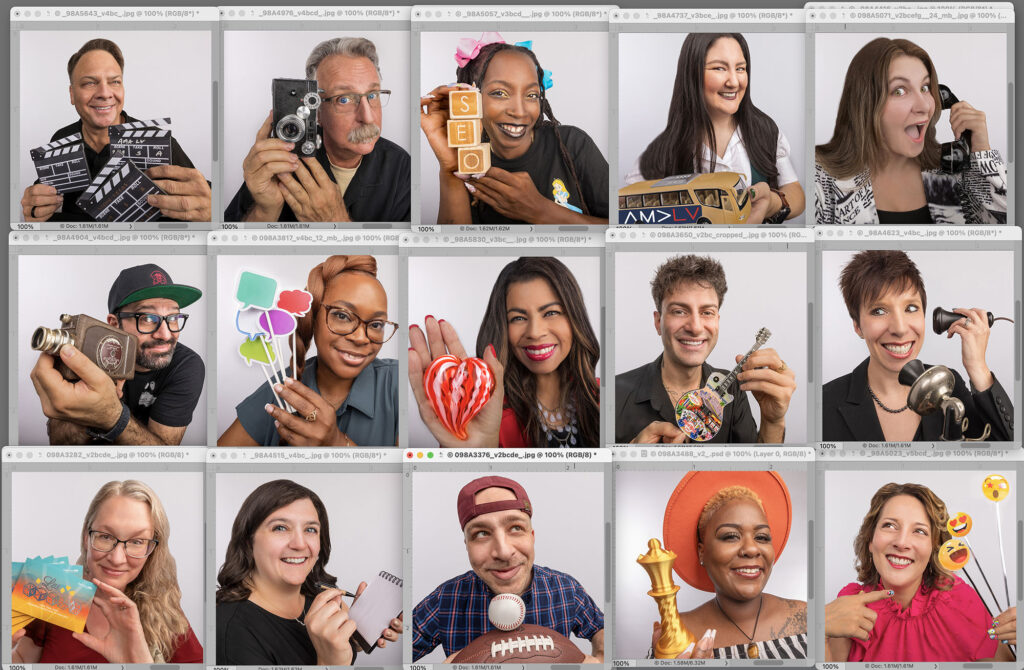
When these five elements work together, projects move efficiently, budgets remain under control, and the resulting imagery serves as a long-term marketing asset that supports brand awareness, customer engagement, and business growth.
1. Message
Before a single photograph is created, the core message should be clear.
Ask your team:
- What story are we telling?
- What is the primary brand message?
- Who is the target audience?
- What emotions should the viewer experience?
- Where and how will the images be deployed?
Commercial photography is the process of translating a business objective into a high-impact visual asset. Every production decision—from location and lighting to wardrobe, talent, and composition—should support that objective.
A photograph can be technically flawless and aesthetically pleasing, but if it fails to communicate your business objective, it has missed its mark.
2. Resources
Identifying and securing the right resources early dictates the scale, efficiency, and budget of any commercial shoot.
Essential production resources often include:
- Locations & Access: On-site facilities, specialized venues, permits, and security approvals
- Talent & Subjects: Professional models, wardrobe and accessories, real employees, or customer brand ambassadors
- Physical Assets: Featured products, specialized machinery, vehicles, and styled props
- Production Logistics: Crew, lighting/grip equipment, production budgets, and timelines
Auditing your available resources during pre-production establishes realistic expectations and keeps project schedules on track.
Most potential shoot-day roadblocks are eliminated simply by identifying what assets are required—and confirming how they will be deployed—long before crew sets foot on location.
3. Planning
Planning is where ideas become executable.
This is the stage where concepts, resources, and objectives are organized into a workable production plan.
Questions that should be answered include:
- What needs to be brought to the location?
- What time should everyone arrive?
- What time of day provides the best lighting conditions?
- Where will key photographs be created?
- What is the shooting schedule?
- How many final images are expected?
- What lighting, staging, or production support will be required?
- What role does each team member play?
- What are the desired deliverables?
The goal of planning is not perfection. The goal is preparation.
Location scouting is often one of the most valuable steps in the commercial photography process. A scouting visit frequently reveals opportunities, obstacles, lighting conditions, access limitations, and logistical considerations that can significantly improve both efficiency and image quality.
Thoughtful planning reduces uncertainty, minimizes production delays, and allows the creative team to focus on producing strong visual content when shoot day arrives.
4. Execution
Shoot day is where preparation meets reality.
Even the best-laid plans encounter real-world variables:
- Weather shifts unexpectedly
- Executive schedules compress
- Unforeseen access restrictions arise
- Equipment or site power fails
- Natural lighting conditions evolve throughout the day
The true value of rigorous pre-production is not that every detail unfolds exactly as planned. Its value lies in providing the structure, resources, and flexibility needed to respond quickly when conditions change.
On set, adaptability, real-time problem solving, and decades of experience become just as vital as camera gear and lighting packages. An experienced commercial production team expects the unexpected, pivoting seamlessly to keep the shoot moving and protect the final output.
5. Alignment
Stakeholder alignment is often the most critical—yet most overlooked—component of a commercial photography project.
True alignment must exist before, during, and after the shoot.
It requires complete synchronization on:
- Strategic Objectives: Clear criteria for what constitutes a successful campaign or visual asset
- Creative Direction: Shared vision regarding mood, tone, framing, and brand aesthetics
- Budgets & Resources: Realistic allocation of production funds, time, and personnel
- Schedules & Logistics: Agreed-upon call times, production deadlines, and review milestones
- Deliverable Specs: Specific image counts, aspect ratios, file formats, and licensing terms
- Roles & Responsibilities: Absolute clarity on who holds final sign-off authority on set and in post-production
When stakeholders share a unified understanding of project goals, decision-making becomes When stakeholders share a unified understanding of project objectives, decision-making becomes more efficient, production moves faster, and costly revisions are minimized.
In my experience, complete alignment across every phase is the single strongest indicator of a seamless, high-ROI commercial assignment.
What Is Commercial Photography?
Commercial photography is strategic visual content created specifically to support a business, brand, product, service, or marketing objective.
Core commercial specialties include:
- Executive & Corporate Branding: Executive portraits, leadership team imagery, corporate headshots, and environmental workplace portraits
- Advertising & Marketing Photography: Campaign imagery, lifestyle marketing photography, brand storytelling, and digital advertising assets
- Product Photography: Consumer products, e-commerce photography, catalog imagery, packaging photography, product launches, and marketing collateral
- Social Media Content Photography: Visual content created for social media marketing, digital engagement, content calendars, brand awareness campaigns, influencer partnerships, and multi-platform distribution
- Architecture & Built Environments: Architectural photography, commercial interiors, hospitality properties, real estate development, and construction projects
- Industrial & Manufacturing Photography: Manufacturing facilities, industrial operations, complex machinery, technical processes, logistics environments, and workforce documentation
- Corporate Communications: Public relations photography, editorial imagery, annual reports, internal communications, and executive communications
- Trade Show & Corporate Events: Trade show photography, conference coverage, convention marketing, keynote presentations, networking events, product launches, award ceremonies, and corporate event documentation
Commercial productions take place wherever your business operates—including controlled studio environments, corporate offices, industrial plants, retail centers, hospitality properties, or field locations.
The ultimate goal of commercial photography is never just to create an attractive picture. It is to produce high-impact visual assets that communicate value, establish credibility, support marketing pipelines, and drive revenue.
What Are Typical Commercial Photography Budgets?
There are no fixed industry rates for commercial photography. Pricing varies according to experience, preparation, complexity, production requirements, postproduction needs, and the resources required to complete the assignment.
When evaluating a project, I often consider two metrics:
Day Rate
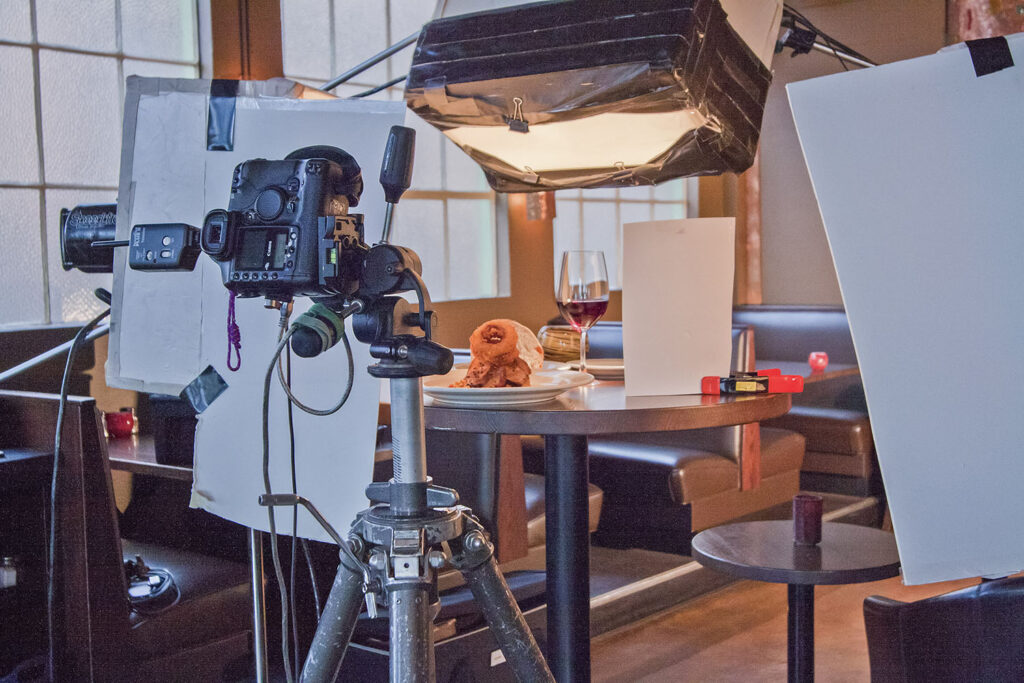 The day rate represents the cost of reserving the photographer and production resources for a specific period of time.
Typical commercial photography day rates may range from:
- $900 to $1,800 per day
- Higher for productions requiring extensive lighting, specialized equipment, assistants, or complex logistics
Cost Per Finished Image
The second metric is the cost per final image delivered.
This can be a useful way to evaluate the overall value of a project.
For example:
- Photographer day rate: $1,500
- Assistant: $450
- Materials and miscellaneous expenses: $100
Total production cost: $2,050
If the assignment produces ten final marketing images, the effective cost is approximately $205 per image.
Viewed this way, photography often represents excellent value when the images are used across websites, advertising campaigns, social media, public relations efforts, annual reports, sales materials, and marketing programs.
Product Photography
Product photography generally produces a larger volume of images.
A well-organized product shoot may generate:
- Three finished images per hour using highly refined lighting setups
- Six or more images per hour when templates, jigs, and repeatable production methods are employed
Depending on complexity, product photography may range from approximately:
- $45 to $150 per finished image
Photography Featuring People
Photography involving people often requires more coordination and preparation.
Additional considerations may include:
- Scheduling
- Wardrobe
- Hair and makeup
- Location logistics
- Directing expressions
- Group coordination
- Postproduction
As a result, photography featuring people commonly ranges from:
- $200 to $400 per finished image
- Higher for advertising campaigns or complex productions
Additional Services That Support Alignment
Many successful commercial photography assignments include professional services both before and after the photography itself.
These services may include:
- Location scouting
- Test photography
- Test lighting
- Product evaluation imagery
- Production planning and coordination
- Online image galleries for review and selection
- Advanced retouching
- Background removal
- Image compositing
- Face swaps and image refinements
- File preparation, formatting, and delivery
These services provide important checkpoints throughout the production process, allowing project stakeholders to review progress, provide feedback, and maintain alignment from initial concept through final image delivery.
A structured workflow helps ensure that expectations remain clear, revisions are managed efficiently, and the final photography assets meet both creative and business objectives.
How to Prepare as a Client
You can dramatically improve the success of a photoshoot by preparing in advance.
Collect Reference Images
Gather examples of photography you admire.
Reference images help communicate style, mood, lighting, composition, and overall creative direction.
Define Your Brand Message
Write down the key messages your photography should communicate.
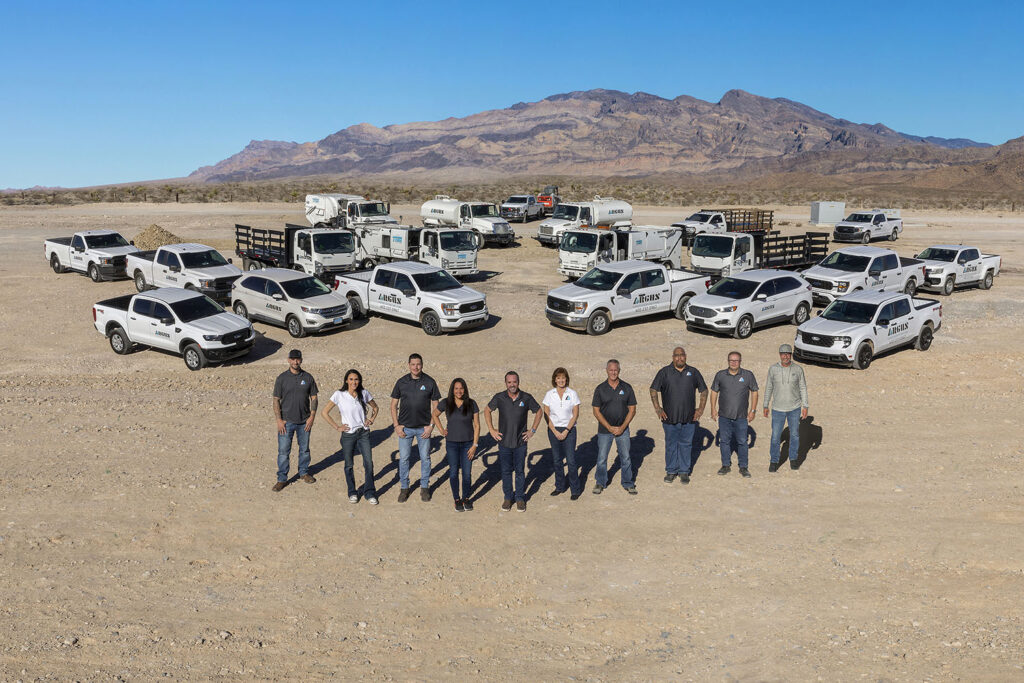 Examples may include:
- Reliable Execution
- Forward Thinking
- Uncompromising Integrity
- Precision Output
- Masterful Craftsmanship
- Collaborative Partnership
- Technical Mastery
Clear messaging produces stronger photography.
Build Internal Consensus
Before photography begins, ensure key decision-makers are aligned on:
- Visual style
- Project objectives
- Budget
- Final deliverables
- Shoot Schedule
Getting everyone on the same page early reduces revisions, prevents misunderstandings, and improves efficiency.
Share Your Goals
The more context and visual direction you provide up front, the more targeted and effective the final imagery will be.
Helpful materials may include:
- Marketing objectives and target audience notes
- Brand guidelines and color palettes
- Website links
- Prior photography (what worked and what didn’t)
- Mood boards or sample advertisements
- Active social media channels
Great photography begins long before the camera arrives.
When the message is clear, resources are organized, expectations are aligned, and consensus has been reached, the photography process becomes more efficient and the final images become more valuable.
That is the disciplined approach I bring to every assignment at Bassett Studios.
Frequently Asked Questions About Planning a Commercial Photoshoot
What is the most important part of a successful commercial photoshoot?
The most important part of a successful commercial photoshoot is understanding the project’s message and objectives before photography begins. Images should support the client’s brand, audience, marketing goals, and intended use.
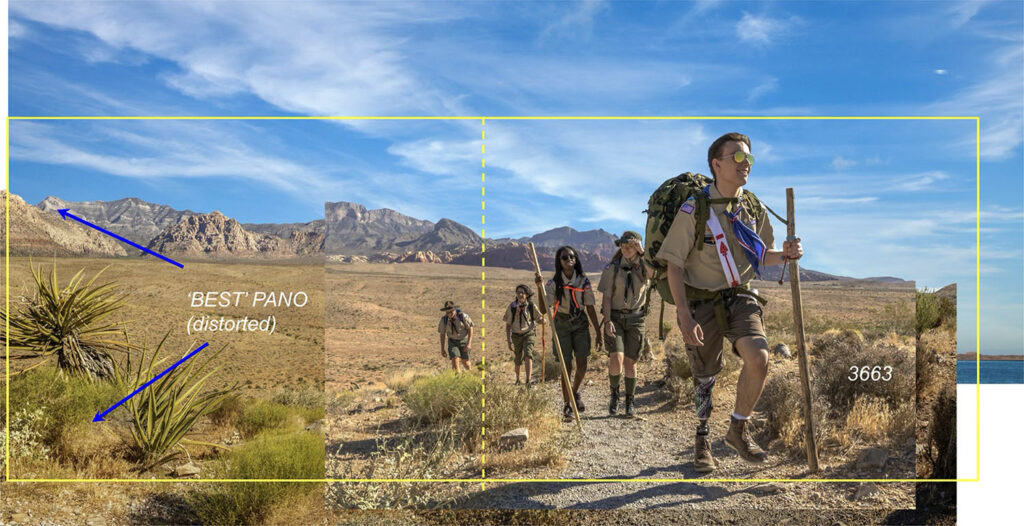
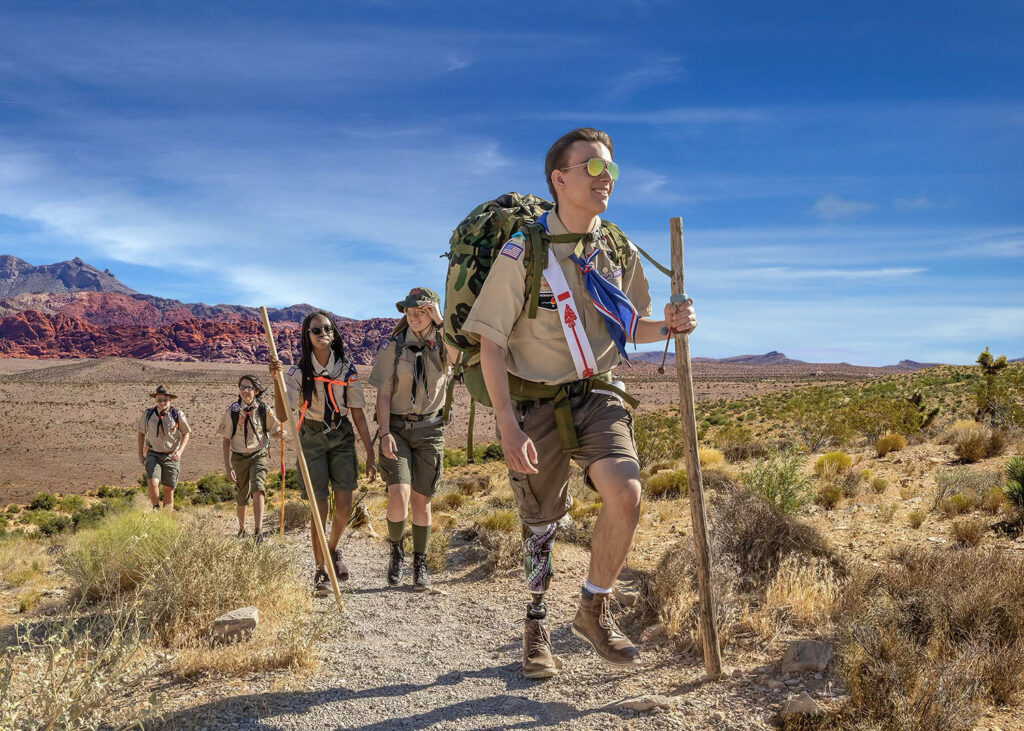
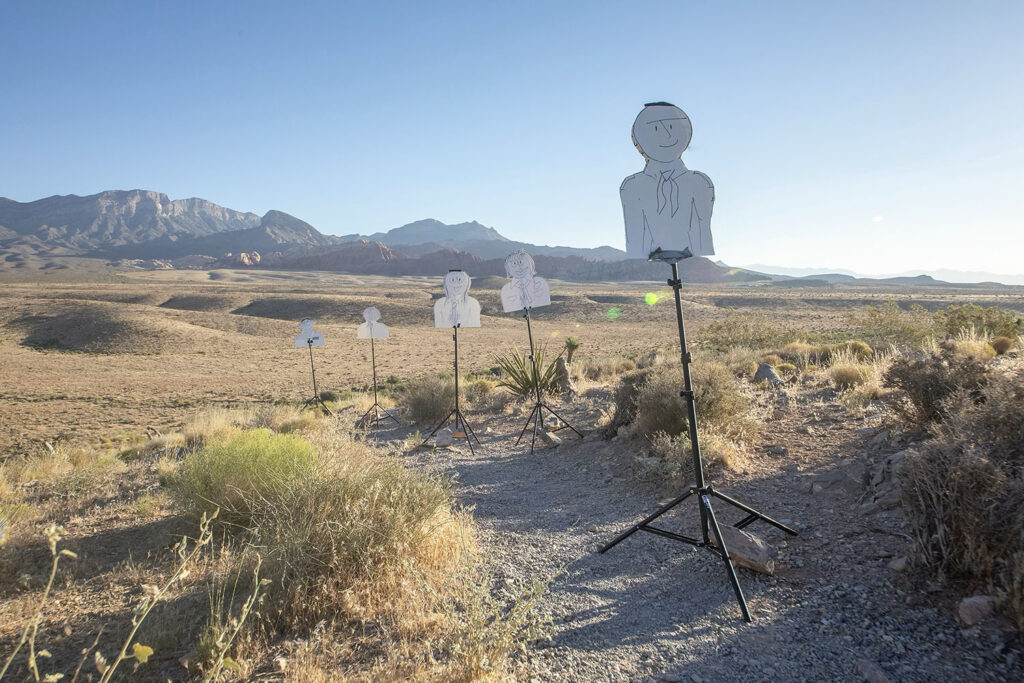
From Client Composition to Location Scout to Shoot Day Stand-ins to Final Image …!
Why is planning important before a commercial photoshoot?
Planning helps identify objectives, locations, schedules, logistics, personnel, equipment requirements, and deliverables before production begins. Careful preparation reduces surprises and helps projects stay on time and on budget.
How far in advance should a commercial photoshoot be planned?
Many commercial photography assignments benefit from one to four weeks of planning. Larger productions may require additional time for scouting, scheduling, permits, talent coordination, and production logistics.
What happens during a discovery meeting?
A discovery meeting helps define project goals, audience, deliverables, visual style, usage requirements, schedules, and production needs. These discussions help ensure that everyone shares the same expectations before photography begins.
Why is the brand message important in commercial photography?
Commercial photography is most effective when images reinforce a company’s message, values, products, services, and positioning. Strong photography supports communication objectives rather than simply creating attractive images.
What is a location scout?
A location scout is a pre-production visit used to evaluate backgrounds, lighting conditions, access requirements, logistics, safety concerns, and potential photographic opportunities before the day of the shoot. Bassett Studios often provides low-resolution JPEG reference images from the scout so project leaders, marketing teams, and creative stakeholders can review locations and photographic possibilities in advance. This allows the team to discuss ideas, make decisions, and reach consensus before the planned shoot day.
Can a commercial photoshoot be successful without a production plan?
Why are reference photographs useful?
Reference photographs help clients, creative teams, and photographers discuss concepts, locations, compositions, lighting approaches, and production requirements before photography begins. They provide a visual reference for what everyone is planning to accomplish.
Smaller projects may require less preparation, but most commercial assignments benefit from a clear plan that outlines objectives, schedules, locations, participants, and deliverables. The level of planning should match the complexity of the project.
What should be decided before the photoshoot begins?
Project leaders should establish objectives, key messages, shot priorities, schedules, locations, participant responsibilities, image usage requirements, and approval processes before production begins.
What resources may be needed for a commercial photoshoot?
Resources may include locations, talent, products, equipment, permits, transportation, access approvals, props, stylists, and production support. The specific requirements depend on the scope and complexity of the project.
 What happens if conditions change during a photoshoot?
It happens to some degree more often than you might imagine. Experience, preparation, and creativity can sometimes produce even better results than originally anticipated. Weather, schedules, access restrictions, equipment challenges, and other unexpected situations may require adjustments. Preparation and flexibility help keep projects moving while maintaining the production objectives.
Why is alignment important during a photography project?
Alignment ensures that clients, marketing teams, creative directors, stakeholders, and photographers share the same expectations regarding objectives, deliverables, schedules, and image usage. At Bassett Studios, this is what I refer to as consensus — making sure everyone is aligned on the message, plan, production, and execution before the photography begins.
It is a trusted, time-tested method I use to keep projects focused, efficient, and working toward the intended result. Clear communication before and during production helps prevent misunderstandings and keeps everyone moving in the same direction.
What happens after the photography is completed?
Post-production may include image selection, color correction, retouching, compositing, background removal, file preparation, delivery, and review processes depending on the project’s requirements.
Do successful commercial photoshoots require professional lighting?
Not every project requires complex lighting, but understanding how light influences mood, branding, products, architecture, people, and environments is often critical to achieving consistent results. Lighting should be selected based on the subject, location, message, and desired result.
Successful commercial photography communicates a clear message, supports business objectives, meets production requirements, and provides images that can be effectively used for marketing, advertising, public relations, and corporate communications.